Selected products

.jpg?max-width=128&max-height=128&quality=85)

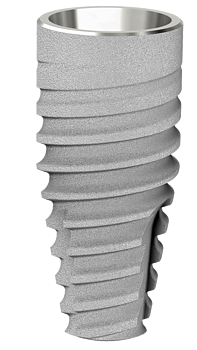
DESS® ONE MORSE Implant
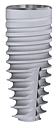
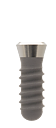
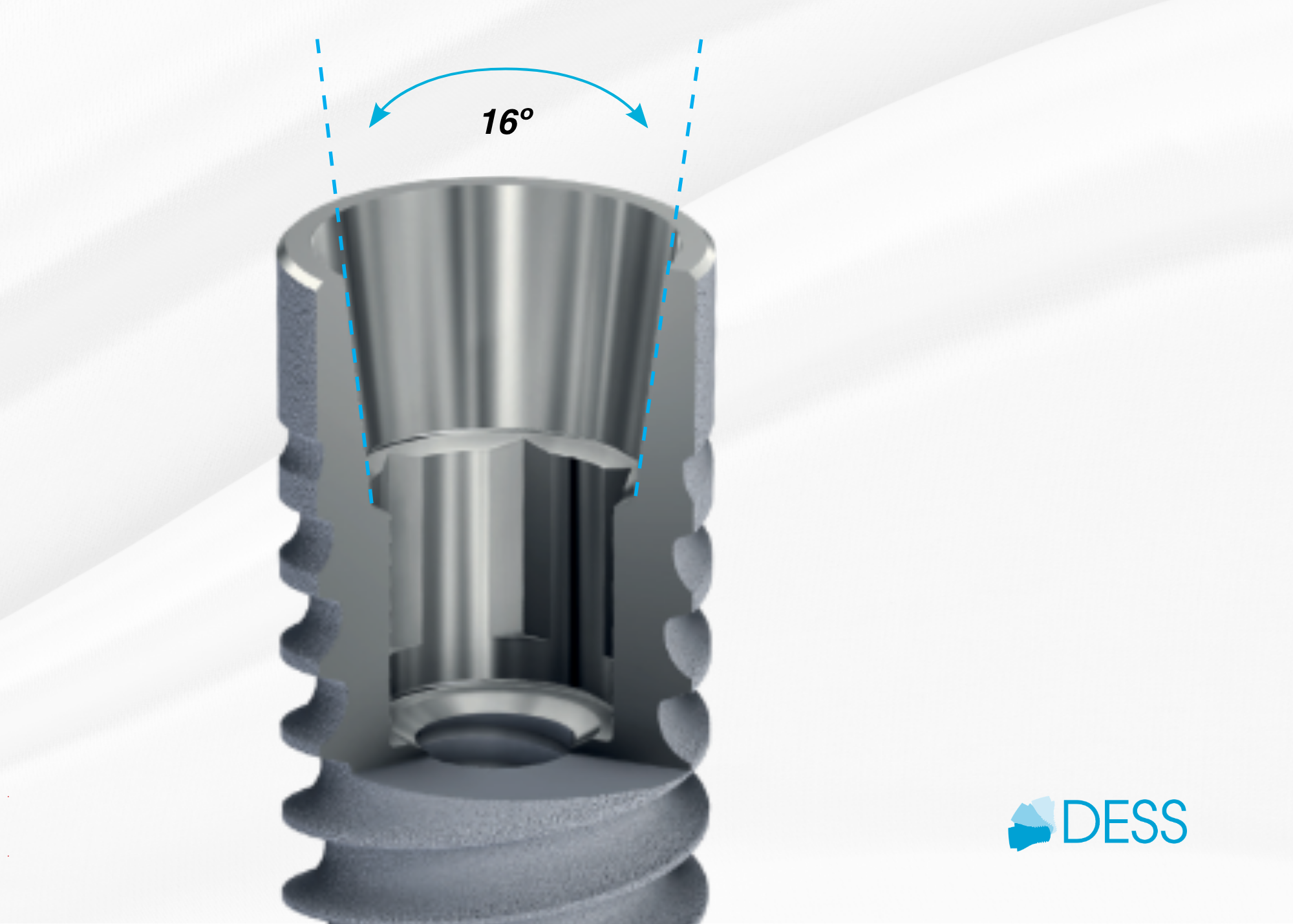
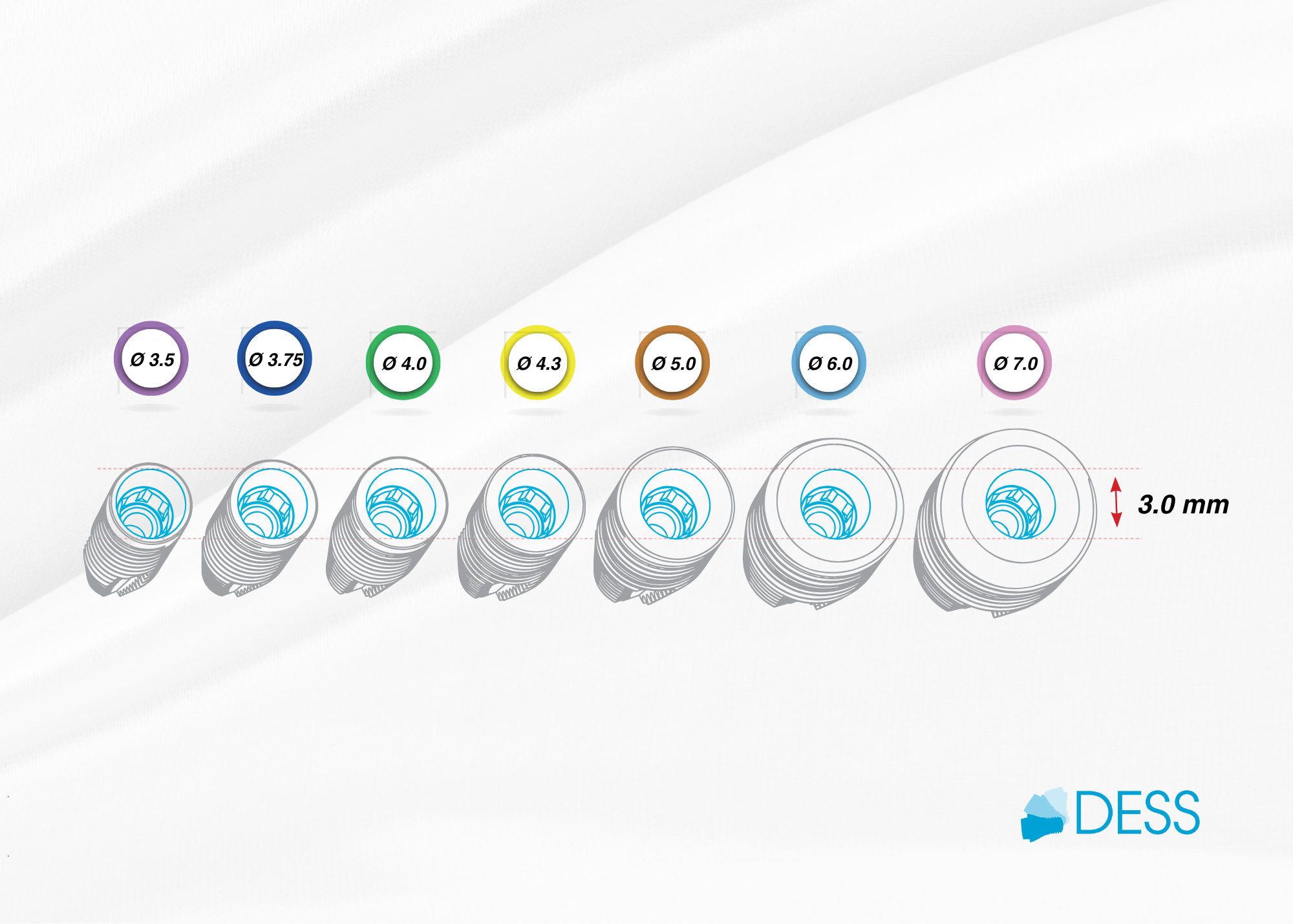
DESS® ONE MORSE is a complete implant system designed for mechanical stability, ease of prosthetic handling, and flexibility in the surgical workflow. The system is compatible with Neodent® Grand Morse, enabling clinics already using this connection to integrate DESS® ONE MORSE into their established surgical and prosthetic routines.All implant diameters use the same 3.0 mm prosthetic platform. The common connection simplifies the selection of prosthetic components, streamlines inventory management, and contributes to a more organized workflow. The design combines a 16° Morse taper with internal indexing, a deep implant-abutment connection, and integrated platform switching.
The implants are made of Grade IV titanium and feature the OST® surface from DESS®, developed through sandblasting and double acid etching to promote osseointegration. The product line includes several diameters and lengths to provide flexibility for various clinical conditions.
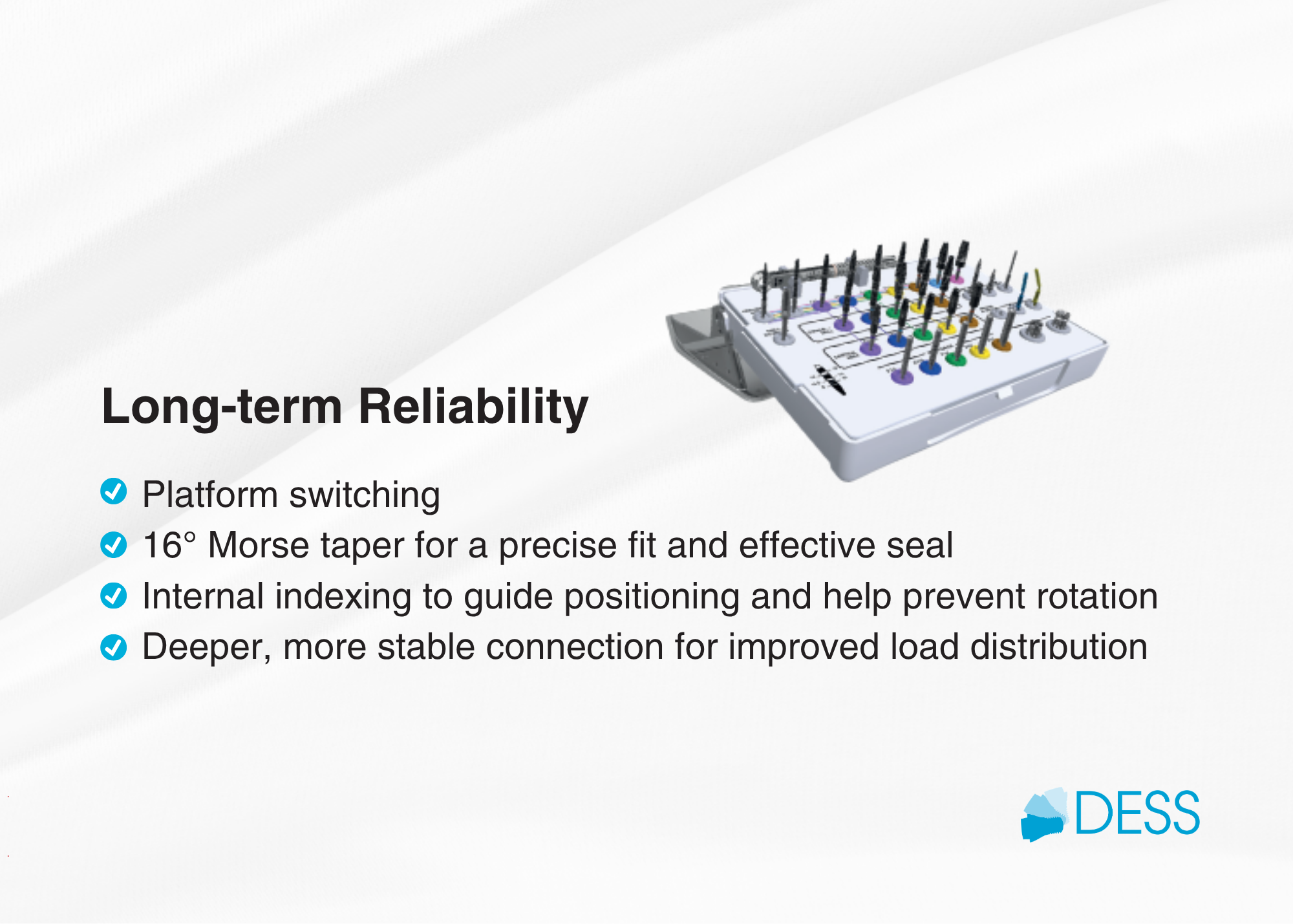
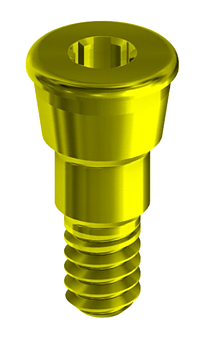
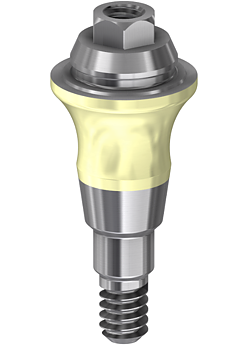
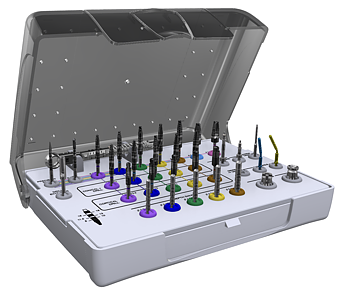
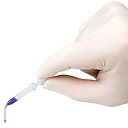
Here you will find DESS® ONE MORSE implants as well as the corresponding surgical instruments and prosthetic components.
A connection designed for long-term reliability
Ease of use is important, but so is having a connector you can rely on.
DESS® ONE MORSE features a 16° Morse taper for a precise fit and effective sealing. Internal indexing facilitates correct positioning and prevents rotation, while the deep, stable connection provides a large contact area for improved load distribution. Platform switching also helps preserve the marginal bone.
Together, these features contribute to stability and mechanical security in the connection between the implant and the abutment.
The Same Connection for All Implant Diameters
DESS® ONE MORSE features the same prosthetic connection for all implant diameters, which simplifies planning and reduces the number of connections that clinicians and dental laboratory teams need to manage.
The implant is available in diameters ranging from 3.5 to 7.0 mm and in lengths of 8, 10, 11.5, 13, 16, and 18 mm. The implants are also color-coded by diameter for quick and easy identification.
The range offers flexibility in various clinical situations using the same prosthetic connection regardless of implant diameter.
Designed for stability in various bone types
DESS® ONE MORSE is designed to provide high primary stability and enable controlled placement in various bone conditions.
The conical apical design is optimized for primary stability, particularly in soft or very soft bone. Self-tapping geometry and reverse cutting grooves facilitate efficient placement and controlled expansion of the implant site. In hard bone, the design helps reduce sudden torque spikes while maintaining predictable insertion depth and stability.
The implant is also designed for placement 1–2 mm subcrestally to help preserve bone in the long term. At the coronal end, platform switching means that the abutment has a smaller diameter than the implant, which helps preserve the marginal bone and support soft tissue stability.
These features work together to provide stability without unnecessarily complicating the placement protocol.