
Selected products


.jpg?max-width=128&max-height=128&quality=85)

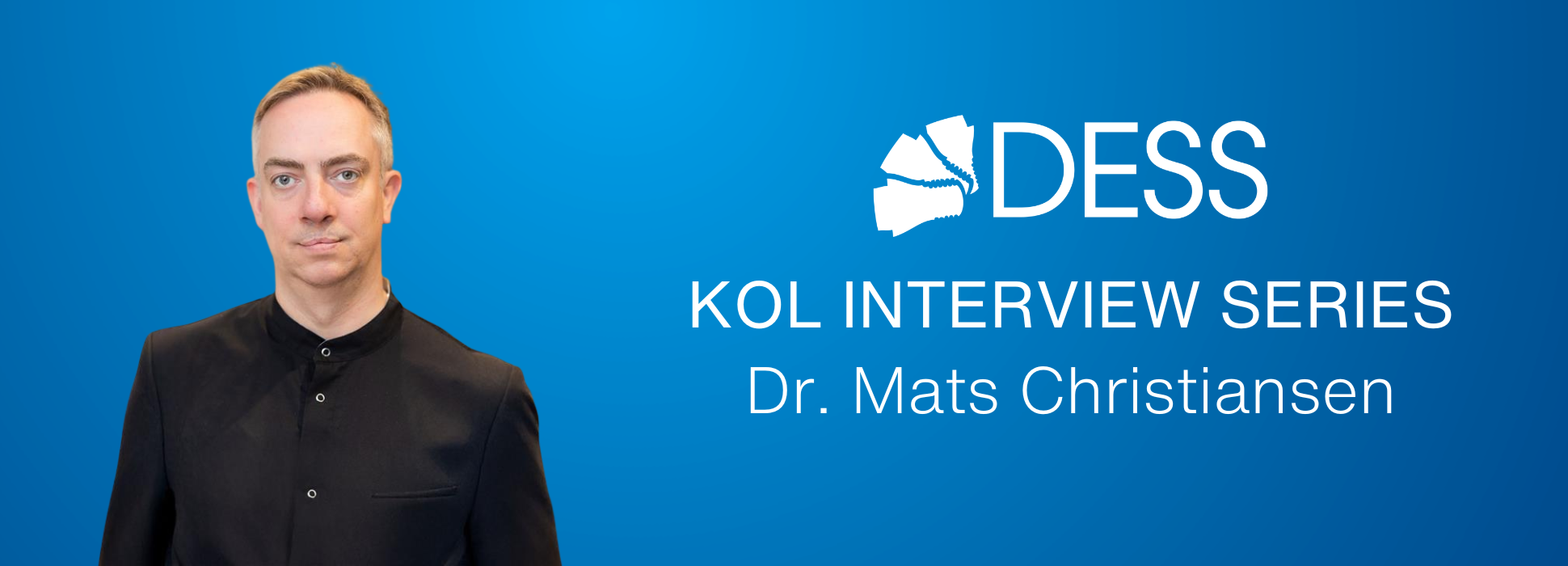
Dr. Mats Christiansen Tandvårdsakademin, Ystad
Implant dentistry has evolved significantly over the past few decades. While the fundamental biological and clinical principles remain crucial, today’s treatments are increasingly characterized by aesthetics, advanced treatment planning, component quality, and long-term predictability.
In this interview from the DESS® Clinical KOL Interview Series, we speak with Dr. Mats Christiansen, an implantologist at the Academy of Dentistry in Ystad, about the challenges of advanced implant treatments, the importance of careful planning in complex cases, and why collaboration, continuing education, and high-quality components are essential for achieving consistently good treatment outcomes over time.
Key Takeaways
- Implant dentistry has shifted from focusing primarily on function to placing a greater emphasis on aesthetics.
- In complex cases, planning is the most important factor in achieving predictable treatment outcomes.
- Digital treatment planning is most beneficial in particularly complex cases where high precision is crucial.
- The quality, tolerances, and fit of the components are key to reducing the risk of long-term complications.
- Continuous professional development and collaboration with the right people are fundamental to improving clinical predictability.
About KOL
Name: Dr. Mats Christiansen
Role: Implantologist
Location: Ystad, Sweden
Clinic: Tandvårdsakademin
Clinical Focus: Advanced implant surgery and surgical treatments
Experience: 25 years
1. Background and Vision
How would you describe your current clinical focus in one minute?
Our clinic is a referral clinic that treats a wide range of periodontal, prosthetic, and implant-related cases. Through my experience working in three different countries, I have seen the complications and challenges that can arise during advanced treatments. That is why we do everything we can to prevent them.
By participating in clinical research projects and collaborating with suppliers, manufacturers, and universities, we strive to stay at the forefront of the field and achieve high treatment success rates, even in the long term.
What has changed the most in implant dentistry over the past 10–15 years?
The focus has shifted from pure function and very strict selection criteria to a more aesthetically oriented market, where we now treat patients who likely would not have been candidates for implant treatment 20 years ago.
"The focus has shifted from pure function to a more aesthetically oriented market."
2. Trends and Predictability
Which trend has the greatest impact on treatment outcomes today?
An important development is the design of spacers, as well as the advancement of treatment concepts involving tissue-level prosthetics.
What is the most important factor that distinguishes predictable results from average ones in complex cases?
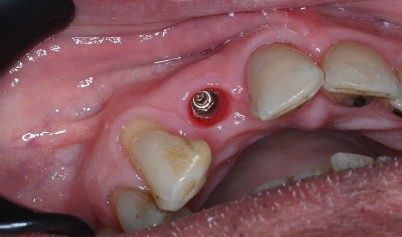
I would say that planning is the most important factor.
3. Digital Workflow in Everyday Clinical Practice
Where does digital treatment planning provide the greatest value in your daily work?
We see the greatest benefit in the most complicated and compromised cases.
What are the most common challenges when clinicians begin working with guided surgery or digital workflows?
One of the biggest challenges is the lack of guidance from companies and sales representatives, as well as insufficient knowledge and experience among clinicians when these work methods are introduced.
4. Components, Connections, and Long-Term Outcomes
What should clinicians always check at the component and connection level to reduce the risk of long-term complications?
Quality is crucial. Clinicians should always choose to work with reputable companies that have extensive experience in developing and manufacturing high-quality components.
Tolerances are critical for both active and passive fit between components, which in turn is of great importance for long-term function and treatment predictability.
"Tolerances are crucial for the active and passive fit of the components."
5. Experiences with DESS®
What do you value most in a supplier of prosthetic solutions?
Having worked closely with the production teams at several leading implant companies, I value flexibility above all else—the ability to further develop components and adapt them to achieve better mechanical and biological outcomes.
In what way does DESS® make the biggest difference in your clinical practice?
The wide range of components compatible with virtually all implant systems on the market makes a clear difference in daily clinical work.
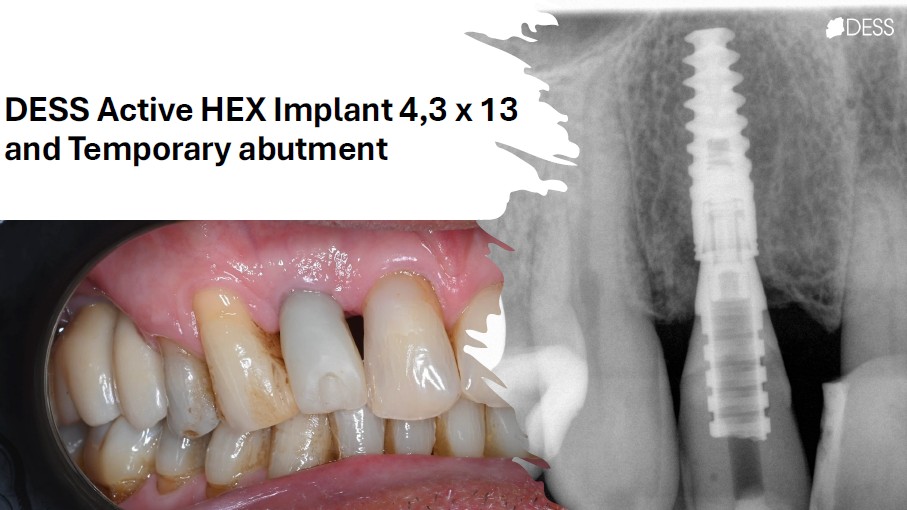
If you were to give one piece of advice to clinicians who want to improve predictability in implant treatments—what would it be?
Continuously educate yourself. Surround yourself with people who want to help you grow—not for their own gain, but so that together you can become better and achieve more.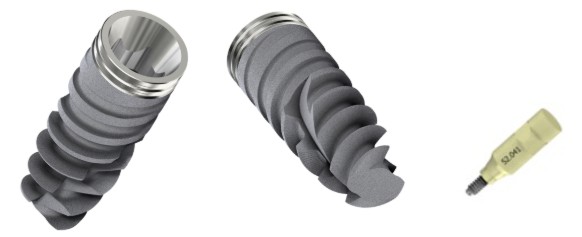
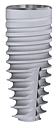
DESS® implant components that contribute to predictable workflows in modern implant dentistry.